A recent study with a sample size of over 6,000 medication abortions obtained through telehealth has dealt a blow to arguments brought before the Supreme Court seeking to restrict access to abortion pills. The research, published in Nature Medicine, reveals compelling evidence that medication abortion is both effective and safe, debunking claims that it poses significant risks. As the Supreme Court prepares to hear a crucial case on the FDA approval of mifepristone, the study’s findings challenge the narrative that medication abortion is unsafe, especially when prescribed virtually.
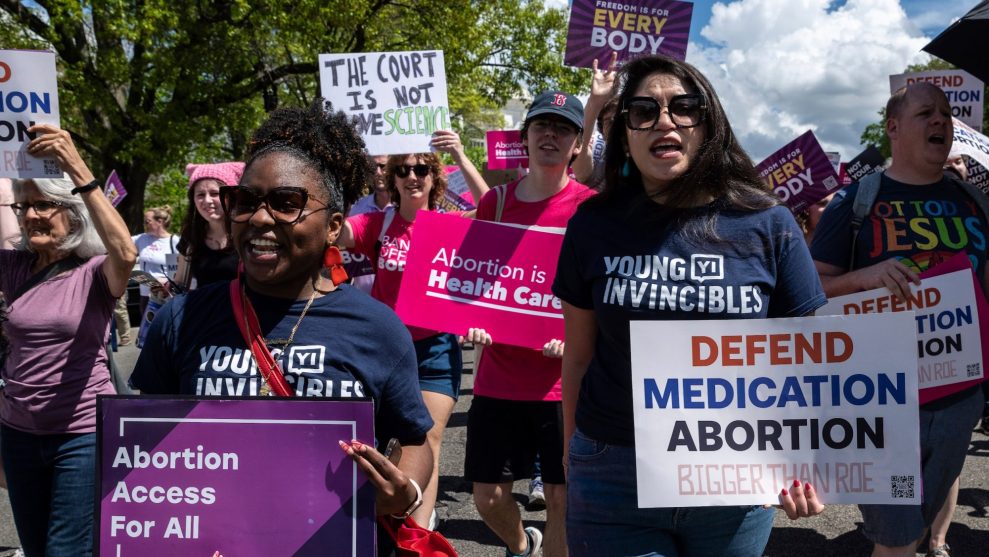
Anti-Abortion Arguments in Question
Safety and Effectiveness
A key argument presented by anti-abortion activists in the upcoming Supreme Court case is that medication abortion, constituting over half of all abortions nationwide, is unsafe and ineffective. However, the recent study counters these assertions, providing robust evidence that medication abortion, even when prescribed through telehealth, is highly effective and safe.
Study Overview
The research, conducted between April 2021 and January 2022, focused on more than 6,000 medication abortions obtained through virtual clinics in 20 states and Washington, D.C. The results indicate a 98 percent effectiveness rate in terminating pregnancies without additional interventions, with an impressive 99.8 percent safety rate, marked by an absence of serious adverse events.
Supreme Court Case and Potential Impact
Challenging FDA Approval
The Supreme Court case centers on a challenge to the FDA approval of mifepristone, the initial pill in a medication abortion. Anti-abortion activists, represented by the Alliance Defending Freedom, question the FDA’s actions in relaxing rules around mifepristone prescriptions in 2016 and 2021. The case could have significant consequences for the accessibility of mifepristone, particularly through telehealth.
Telehealth Accessibility
With rising abortion restrictions, telehealth has become a crucial avenue for obtaining abortion pills. Restrictions on mifepristone accessibility through telehealth could have a profound impact on individuals seeking abortion services. After the Supreme Court’s Dobbs decision in June 2022, abortions obtained through telehealth saw a substantial increase, underlining its growing popularity.
Study’s Significance
Focus on Telehealth Abortion
What sets this study apart is its emphasis on telehealth abortion and its substantial sample size. Led by Ushma Upadhyay at the University of California, San Francisco, the study provides a nuanced understanding of the safety and effectiveness of medication abortion, especially in the context of telehealth.
Retractions and Conflicting Studies
The publication of this study follows the retractions of two studies cited in the Supreme Court case, which claimed dangers associated with mifepristone. The retractions, based on flawed study design and methodology, highlight the importance of relying on valid and well-conducted research.
Conclusion
As the Supreme Court prepares for oral arguments in the case challenging the FDA approval of mifepristone, this new study adds weight to the mounting evidence affirming the safety and effectiveness of medication abortion, even when prescribed through telehealth. The findings underscore the need for informed and evidence-based decisions that prioritize women’s health and reproductive rights.
FAQs
- What does the recent study on medication abortion reveal about its safety and effectiveness?
- The study, with a sample size of over 6,000 medication abortions obtained through telehealth, indicates a 98 percent effectiveness rate and a 99.8 percent safety rate, refuting claims that medication abortion is unsafe.
- What is the key argument presented by anti-abortion activists in the Supreme Court case?
- Anti-abortion activists argue that medication abortion is unsafe and ineffective, a claim challenged by the recent study’s findings.
- What could be the potential impact of the Supreme Court case on mifepristone accessibility through telehealth?
- If the court restricts the accessibility of mifepristone through telehealth, it could significantly impact individuals seeking abortion services, particularly as telehealth has become a crucial avenue due to rising abortion restrictions.
- How does the study’s focus on telehealth abortion contribute to its significance?
- The study’s emphasis on telehealth abortion, coupled with its large sample size, provides valuable insights into the safety and effectiveness of medication abortion, especially in the context of telehealth.
- Why are retractions of studies cited in the Supreme Court case significant?
- The retractions, based on flaws in study design and methodology, highlight the importance of relying on valid and well-conducted research, reinforcing the credibility of studies like the one led by Ushma Upadhyay.
 Newspulse
Leave a comment