The death of Russian opposition leader Alexei Navalny has sparked widespread concern and grief, particularly regarding the handling of his body and the allegations surrounding the circumstances of his demise. In this comprehensive FAQ, we address common questions surrounding Navalny’s death, the family’s appeals, and the broader implications for Russian politics.
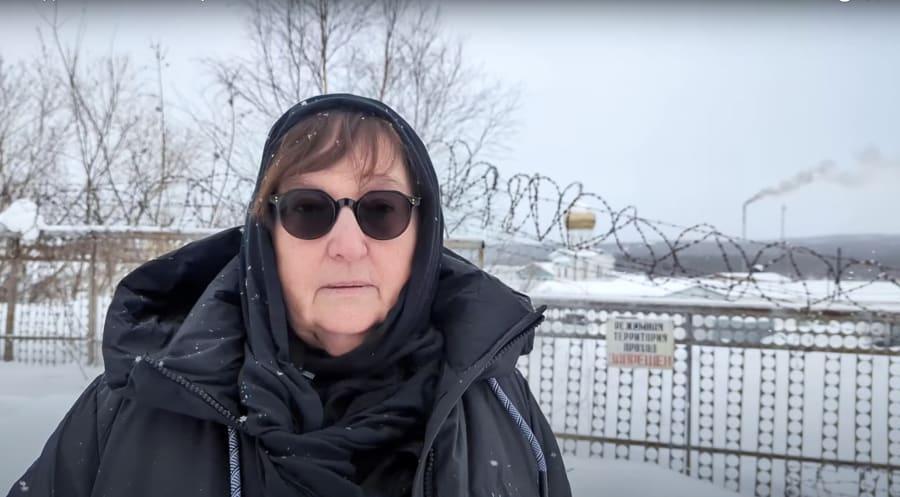
1. What is the current status of Alexei Navalny’s body, and why is there a delay in its release?
Russian authorities have refused to release Navalny’s body for the next two weeks, citing an ongoing preliminary inquest. This delay has raised concerns, with members of Navalny’s team accusing the government of stalling to hide potential evidence.
2. Why is Navalny’s mother appealing to President Putin for the release of her son’s body?
Lyudmila Navalnaya, Navalny’s mother, has appealed to President Vladimir Putin to intervene and release her son’s body, emphasizing the need to bury him with dignity. She has been unable to access his body for five days, and the appeal is a plea for a resolution to the matter.
3. What are the accusations of a cover-up, and why does Navalny’s widow believe Putin is responsible for his death?
Navalny’s widow, Yulia Navalnaya, released a video accusing Putin of killing her husband and alleging that the refusal to release his body is part of a cover-up. She described the government’s actions as cowardly and mean, attempting to hide evidence.
Legal and Political Implications
4. Has there been any official cause of death released for Alexei Navalny?
As of now, Russian authorities have not disclosed the cause of Navalny’s death, adding to the uncertainty and speculation surrounding the circumstances leading to his demise.
5. What is the significance of Navalny’s death for the Russian opposition and the upcoming election?
Navalny’s death has dealt a significant blow to the Russian opposition, depriving them of a prominent figure just before an election that is likely to secure Putin’s continued rule. Many Russians viewed Navalny as a beacon of hope for political change amid an authoritarian crackdown.
6. How has the international community responded to Navalny’s death?
Josep Borrell, the European Union’s foreign policy chief, has called for an international investigation into Navalny’s death. However, Kremlin spokesman Dmitry Peskov rejected this demand, asserting that the Kremlin would not agree to an international investigation.
Family’s Efforts and Public Reaction
7. What steps has Navalny’s family taken to secure his body, and have they been successful?
Navalny’s mother and his legal team have approached law enforcement agencies and the morgue holding the body, attempting to gain access, but they have faced obstacles in retrieving it or obtaining information about its location.
8. How have Russians reacted to Navalny’s death, and have there been any protests?
Russians across the country have paid tribute to Navalny with flowers and candles, despite authorities detaining over 400 people in response. Memorials at sites commemorating victims of Soviet repression have been cordoned off, but people continue to leave tributes.
9. Why was Yulia Navalnaya’s social media account briefly suspended, and what was her message to the EU leaders?
Yulia Navalnaya’s social media account was briefly suspended without explanation. In her video message to EU leaders, she urged them not to recognize the results of the upcoming election, called for more sanctions against Putin allies, and requested assistance for Russians seeking refuge abroad.
Conclusion
The circumstances surrounding Alexei Navalny’s death and the handling of his body remain shrouded in uncertainty and controversy. The Navalny family’s appeals, accusations of a cover-up, and the international response underscore the gravity of the situation. As developments unfold, we encourage readers to share any additional questions or insights in the comments section, fostering engagement and facilitating a deeper understanding of this evolving news story.
 Newspulse
Leave a comment