Title: Unleashing Freedom: The Surge in Brave Browser Installations on iOS 17.4 Release
In the ever-evolving landscape of internet browsers, Brave Browser recently made waves by sharing a revealing line graph on Twitter. The graph, a testament to Brave’s growing popularity, illustrates the number of installations on iOS from mid-January to early March. The data unveils a compelling narrative of user choices and preferences, showcasing a notable surge in installations following the release of iOS 17.4 on March 6. This blog post delves into the intricacies of Brave Browser’s rise, exploring the significance of this surge in installations and the user-driven dynamics that fueled it.
The Graph Unveiled: Brave Browser’s Installation Journey on iOS
Brave Browser’s journey is vividly captured in the line graph shared on Twitter, providing a visual representation of installations from mid-January to early March. The graph unveils a daily install range of around 7,500 to 10,000, setting the baseline for Brave’s performance on iOS during the initial period. However, the data takes a notable turn following the release of iOS 17.4, with daily installs spiking to just over 11,000. This surge marks a significant uptick in installations, signaling a noteworthy shift in user behavior.
iOS 17.4 Release: A Catalyst for Change in Browser Preferences
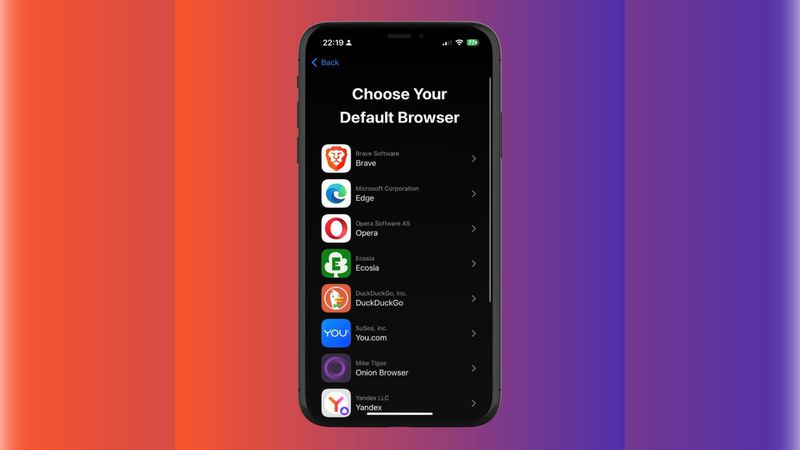
The pivotal moment in Brave Browser’s trajectory coincides with the release of iOS 17.4 on March 6. The data distinctly highlights how this iOS update acted as a catalyst, sparking a surge in installations. Users, presented with a choice of alternative browsers, responded by opting for Brave Browser in numbers that surpassed previous benchmarks. The release of iOS 17.4 emerges as a turning point, empowering users to explore alternatives and fostering a dynamic shift in their browser preferences.
Daily Installations Surge: User Empowerment in Action
The surge in daily installations following the iOS 17.4 release reflects a powerful demonstration of user empowerment. With the freedom to choose their preferred browser, users gravitated towards Brave, appreciating its features, privacy-centric approach, and user-friendly interface. This surge in installations underscores the impact of providing users with alternatives, challenging the status quo and reshaping the competitive landscape in the realm of internet browsers.
Understanding User Choices: The Appeal of Brave Browser
To comprehend the surge in installations, it’s essential to explore the appeal of Brave Browser. Users are drawn to Brave for its emphasis on privacy, blocking unwanted ads and trackers, and providing a faster and more secure browsing experience. The browser’s commitment to user-centric features aligns with evolving digital values, making it an attractive choice for those seeking a more personalized and secure online journey.
The Rise of Alternative Browsers: A Shifting Paradigm
The notable uptick in Brave Browser installations is part of a broader trend – the rise of alternative browsers. Users, increasingly aware of privacy concerns and seeking a departure from conventional options, are exploring alternatives that prioritize their digital well-being. Brave’s surge is emblematic of this shifting paradigm, reflecting a growing demand for browsers that align with contemporary user expectations.
User-Centric Privacy: A Driving Force Behind Brave’s Appeal
At the heart of Brave Browser’s appeal lies its unwavering commitment to user-centric privacy. The browser empowers users to take control of their online experience, blocking intrusive ads and trackers by default. This focus on privacy resonates with a digital audience increasingly concerned about data protection, making Brave a frontrunner in the race for browsers that prioritize user well-being.
Brave’s Ecosystem: Beyond the Browser
Brave’s success extends beyond being just a browser; it’s a part of a larger ecosystem. The browser integrates seamlessly with the Basic Attention Token (BAT) system, offering a unique approach to advertising by rewarding users for their attention. This ecosystem-driven model adds an extra layer of appeal, positioning Brave as not only a browser but a platform that values and incentivizes user engagement.
Challenges and Opportunities: Navigating the Browser Landscape
While Brave Browser’s surge in installations is undoubtedly a triumph, it also brings forth challenges and opportunities. Navigating the competitive browser landscape requires ongoing innovation, responsiveness to user feedback, and a commitment to staying ahead of evolving digital trends. Brave’s journey reflects the resilience needed to thrive in an environment where user preferences and expectations are continually evolving.
Conclusion: Brave Browser’s Ascent in a User-Driven Era
In the era of user-driven digital experiences, Brave Browser’s ascent stands as a testament to the power of choice and the significance of prioritizing user-centric features. The surge in installations, particularly following the iOS 17.4 release, marks a milestone in Brave’s trajectory, underscoring the impact of providing users with alternatives that resonate with their values. As Brave continues to navigate the dynamic landscape of internet browsers, its journey symbolizes the broader narrative of user empowerment and the evolving preferences that shape the digital realm.
 Newspulse
Leave a comment