As the world eagerly awaits the celestial spectacle of a total solar eclipse, there’s a lesser-known aspect that requires attention – the impact on our energy infrastructure. During a total solar eclipse, solar panels experience a temporary loss of sunlight, reducing solar energy production. This reduction poses challenges for grid operators who must balance electricity supply and demand. However, utilities are prepared for the eclipse’s impact, implementing strategies to mitigate its effects and ensure a stable power supply.
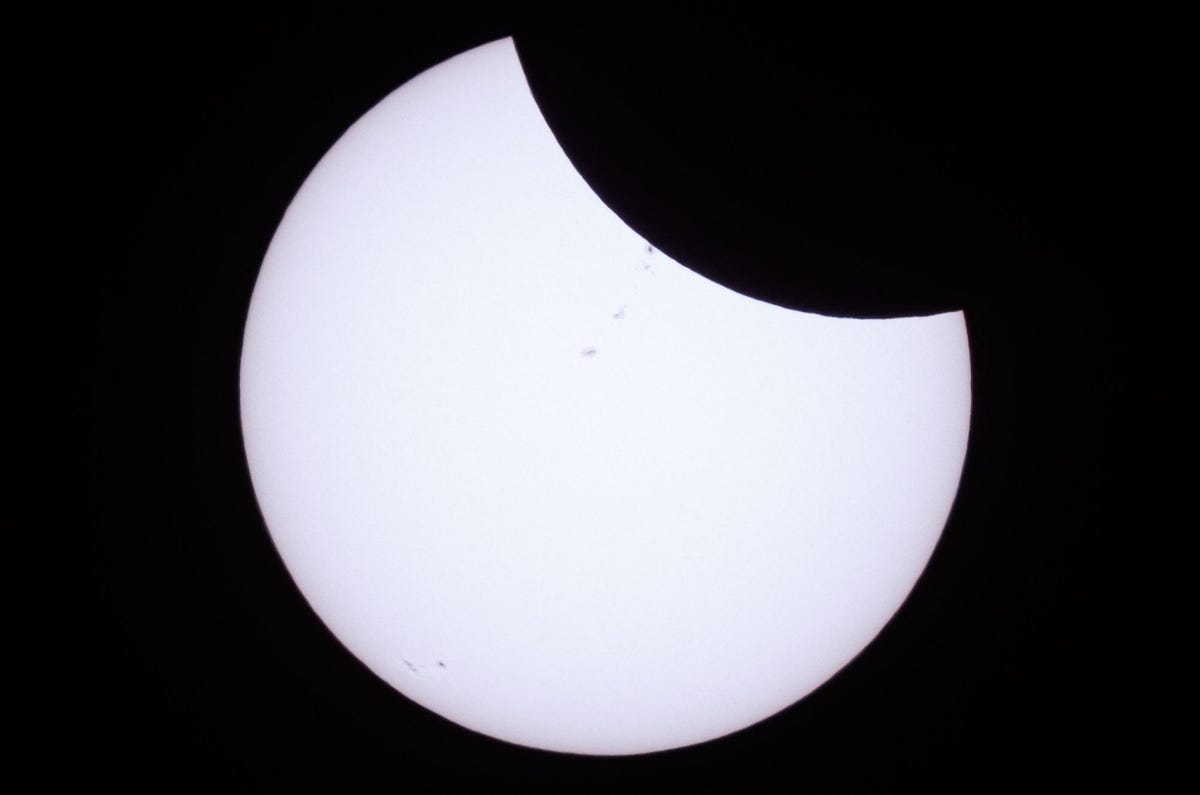
The phenomenon of a total solar eclipse presents a unique challenge for grid operators. During this event, the sudden decrease in solar energy production can disrupt the delicate balance between supply and demand. This disruption can lead to fluctuations in electricity availability and potentially destabilise the grid. Utilities understand the importance of maintaining grid stability, especially during periods of increased demand or unexpected events. Therefore, they employ various strategies to manage the impact of the eclipse effectively.
One of the key strategies employed by utilities is to ramp up alternative power sources to compensate for the loss of solar power. During a total solar eclipse, when solar energy production decreases, utilities turn to other sources of energy such as oil, gas, and hydro plants. These alternative power sources provide a reliable source of electricity to meet the increased demand during the eclipse. By diversifying their energy sources, utilities can ensure a consistent and stable supply of power to consumers.
In addition to ramping up alternative power sources, utilities also rely on energy storage capacity to maintain grid stability during a total solar eclipse. The increase in energy storage capacity, including batteries, plays a crucial role in storing excess energy generated during periods of high solar production. This stored energy can then be released when needed, helping to balance supply and demand during the eclipse. Energy storage technologies provide grid operators with the flexibility to respond quickly to fluctuations in energy production and consumption, ensuring a smooth transition during the event.
Despite the challenges posed by a total solar eclipse, grid operators have valuable insights from previous experiences, notably from the eclipse of 2017. This event provided valuable lessons for grid management during similar celestial occurrences. Grid operators were able to observe the effects of the eclipse on energy production and consumption, allowing them to develop strategies to mitigate its impact in the future. By learning from past experiences, grid operators are better equipped to handle the challenges posed by a total solar eclipse and ensure the reliability of the energy grid.
In conclusion, a total solar eclipse presents unique challenges for grid management, as solar panels experience a temporary loss of sunlight, reducing solar energy production. However, utilities are prepared for the eclipse’s impact, implementing strategies such as ramping up alternative power sources and increasing energy storage capacity to maintain grid stability. Despite these challenges, previous experiences with eclipses, notably in 2017, have provided valuable insights for grid management during such events. By employing these strategies and leveraging past experiences, grid operators can ensure a reliable and stable power supply during a total solar eclipse.
 Newspulse
Leave a comment