The anticipation for witnessing a total solar eclipse is always exhilarating, but it’s crucial to prioritize safety when capturing this rare celestial event. To ensure both your eyes and camera equipment remain protected, it’s essential to use proper solar filters throughout the photography process. Whether you’re using a smartphone or a DSLR camera, taking the necessary precautions can make all the difference in capturing stunning images while safeguarding your vision and gear.
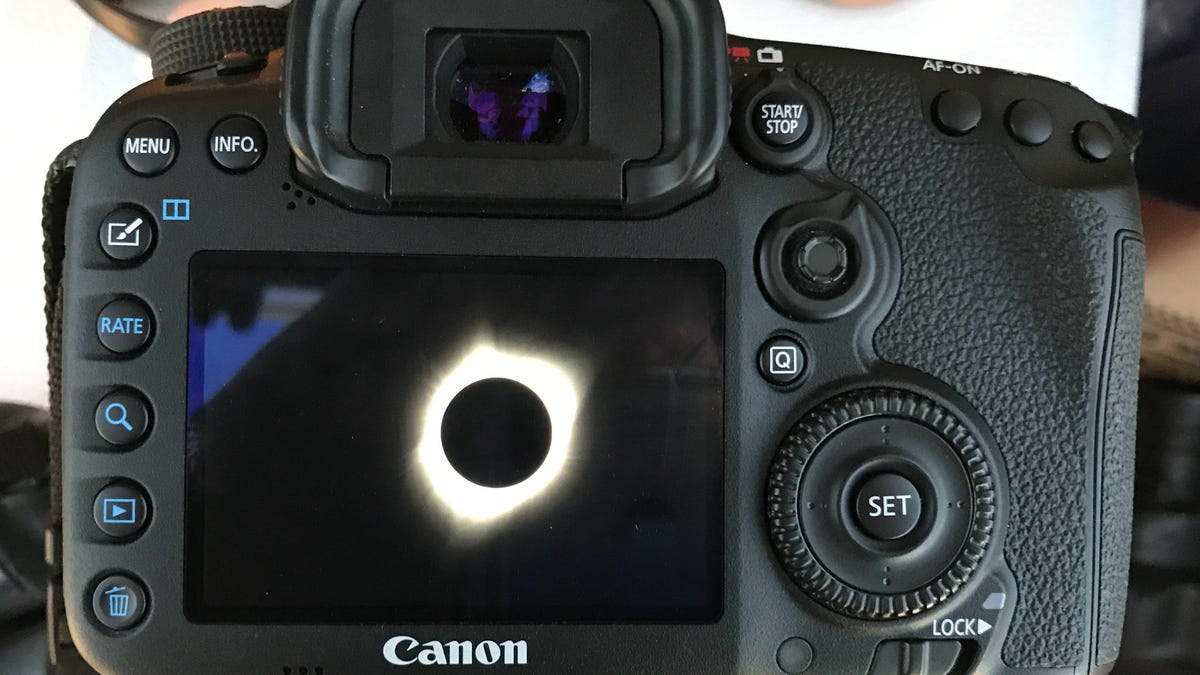
Solar filters play a vital role in protecting your eyes and camera equipment during a total solar eclipse. For smartphone photographers, investing in inexpensive solar lenses or repurposing lenses from solar eclipse glasses can provide adequate protection against the sun’s intense rays. These lenses act as a barrier, filtering out harmful solar radiation and allowing you to capture clear and detailed images of the eclipse without risking damage to your device or eyesight.
For DSLR and mirrorless camera users, utilizing ND (neutral density) filters is essential for safe eclipse photography. ND filters are designed to reduce the intensity of light entering the lens, similar to solar eclipse glasses for the eyes. By attaching ND filters that fit your lens barrel size, you can effectively mitigate the risk of overexposure and lens flare, resulting in crisp and well-balanced eclipse photos. Investing in high-quality ND filters is a worthwhile investment for capturing breathtaking shots of the total solar eclipse.
While proper solar filters are essential for protecting your eyes and camera equipment, it’s also crucial to familiarize yourself with your camera settings before the eclipse event. Take the time to practice adjusting exposure, aperture, and ISO settings to achieve the desired results. Experimenting with different shooting modes and techniques can help you capture unique and captivating images of the eclipse’s phases, from the partial to the total eclipse.
In addition to mastering your camera settings, it’s advisable to avoid using digital zoom during eclipse photography. Digital zoom can compromise image quality and clarity, resulting in grainy or pixelated photos. Instead, opt for optical zoom or adjust your shooting position to get closer to the subject while maintaining optimal image quality. By prioritizing optical zoom over digital zoom, you can ensure that your eclipse photos are sharp, detailed, and visually striking.

As you prepare for the total solar eclipse photography excursion, don’t forget to pack essential accessories like spare batteries and memory cards. Eclipse events can last for several hours, so having backup power sources and ample storage capacity is essential for uninterrupted shooting. Be sure to check your camera gear and accessories before heading out to ensure everything is in working order and fully charged.
In conclusion, capturing the total solar eclipse is an awe-inspiring experience that requires careful planning and preparation. By using proper solar filters, such as solar lenses for smartphones and ND filters for DSLR cameras, you can protect your eyes and camera equipment from damage while capturing stunning eclipse photos. Remember to practice using your camera settings beforehand, avoid digital zoom, and bring spare batteries to ensure a seamless and enjoyable photography experience. With the right precautions and equipment, you can safely document this extraordinary celestial phenomenon and create lasting memories to cherish for years to come.
 Newspulse
Leave a comment