Elon Musk predicts that superhuman artificial intelligence, surpassing the intelligence of any individual human, could exist by the end of next year. This bold assertion has ignited discussions and debates across the tech community, prompting speculation about the implications of such advancements for society and the future of humanity. While Musk’s vision of superhuman AI promises extraordinary capabilities, he also acknowledges potential limitations that could hinder its development in the near term. These limitations, including increasing demands for power and shortages of the most powerful AI training chips, suggest that achieving superhuman AI may be contingent on resolving these challenges.
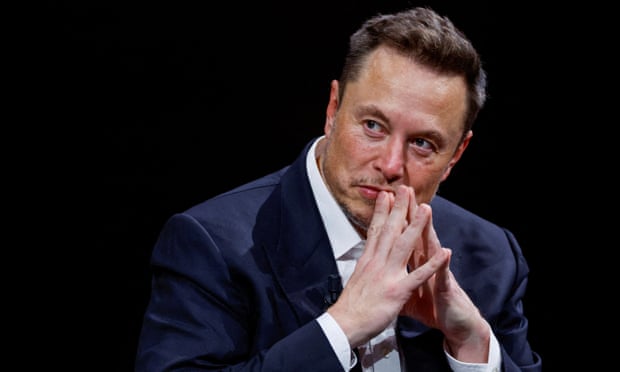
Musk’s prediction of superhuman artificial intelligence marks a significant milestone in the ongoing quest for AI advancement. As one of the foremost visionaries in the tech industry, Musk’s insights into emerging technologies carry considerable weight and influence. His assertion that superhuman AI could be achieved by the end of next year has sparked both excitement and apprehension among experts and enthusiasts alike. The prospect of AI surpassing human intelligence raises profound questions about the potential benefits and risks of such advancements, from revolutionizing industries to reshaping the very fabric of society.
However, Musk’s prediction is tempered by an acknowledgment of potential limitations that could impede the development of superhuman AI. One such limitation is the increasing demands for power required to fuel advanced AI systems. As AI algorithms grow more complex and computationally intensive, the need for vast amounts of computing power continues to escalate. This poses challenges in terms of energy consumption and infrastructure scalability, raising concerns about the sustainability and environmental impact of AI development. Addressing these power demands will be essential to unlocking the full potential of superhuman AI and ensuring its responsible deployment.
Another significant limitation highlighted by Musk is the shortage of the most powerful AI training chips. AI training chips, such as graphics processing units (GPUs) and tensor processing units (TPUs), play a critical role in training AI models and driving innovation in the field of artificial intelligence. However, the demand for these specialized chips has outpaced supply, leading to shortages and delays in AI development projects. This shortage presents a significant bottleneck in the advancement of AI technology, hindering progress towards achieving superhuman intelligence. Resolving this supply chain challenge will be essential to accelerating AI research and development and realising Musk’s vision of superhuman AI.
Despite these challenges, the pursuit of superhuman artificial intelligence represents a monumental leap forward in humanity’s quest for technological advancement. Superhuman AI has the potential to revolutionize virtually every aspect of human society, from healthcare and transportation to education and entertainment. By surpassing the limitations of human intelligence, AI systems could unlock new possibilities and opportunities that were previously unimaginable. From diagnosing diseases with unprecedented accuracy to navigating complex logistical challenges with efficiency and precision, the potential applications of superhuman AI are virtually limitless.
However, with great power comes great responsibility, and the development of superhuman AI raises important ethical and societal considerations. As AI systems become increasingly autonomous and intelligent, questions about accountability, transparency, and fairness become paramount. Ensuring that AI systems are developed and deployed ethically and responsibly will be essential to mitigating potential risks and safeguarding against unintended consequences. Musk’s acknowledgment of potential limitations underscores the importance of approaching AI development with caution and foresight, prioritising safety and ethical considerations above all else.
In conclusion, Elon Musk’s prediction of superhuman artificial intelligence represents a significant milestone in the evolution of AI technology. While the prospect of AI surpassing human intelligence holds immense promise, Musk also acknowledges potential limitations that could hinder its development in the near term. Addressing challenges such as increasing demands for power and shortages of the most powerful AI training chips will be essential to realising the full potential of superhuman AI. Nevertheless, the pursuit of superhuman AI represents a profound leap forward in humanity’s technological journey, offering unprecedented opportunities for innovation, progress, and societal advancement.
 Newspulse
Leave a comment